


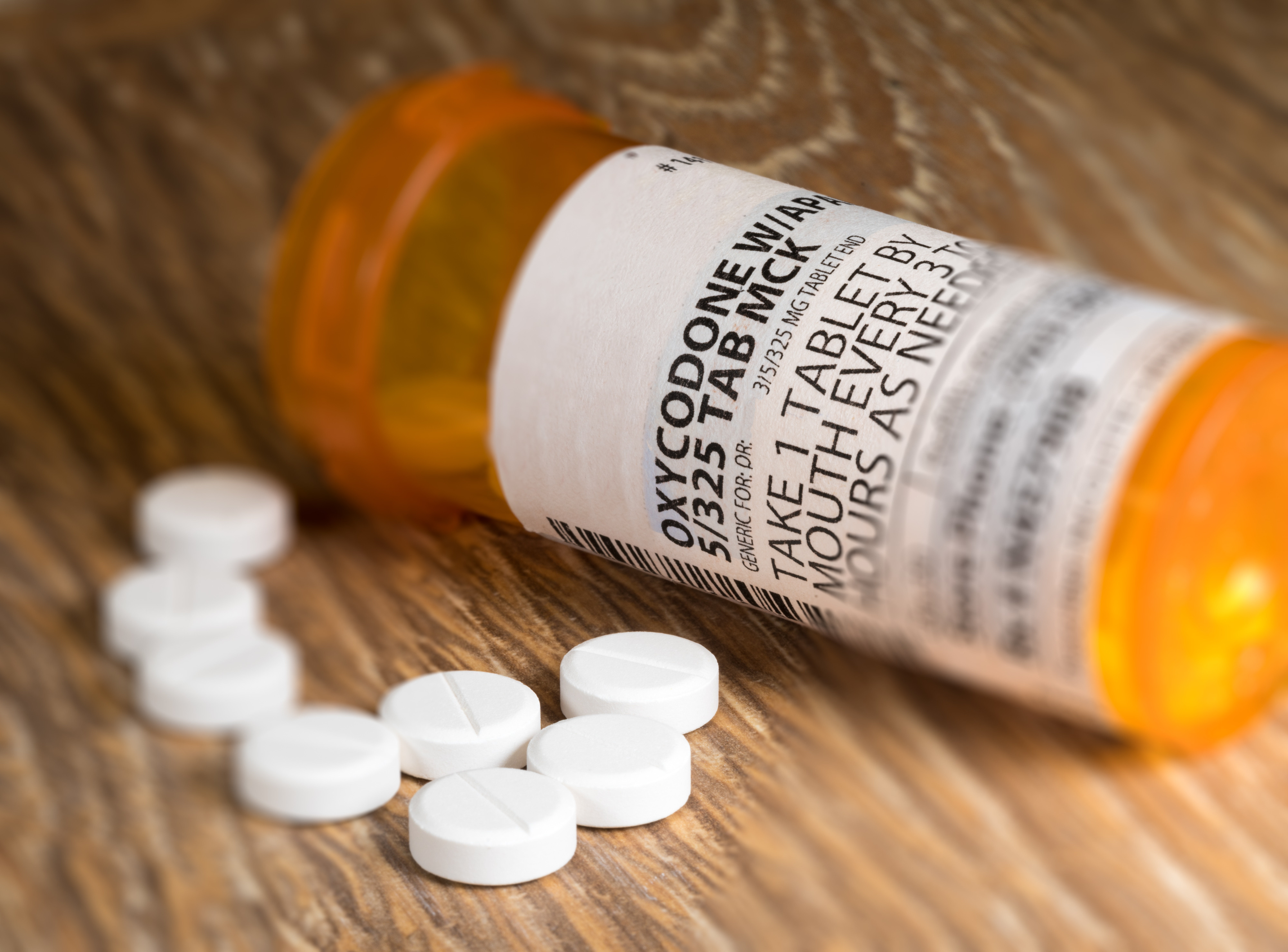
Does cyclobenzaprine cause addiction?The answer isn’t as straightforward as you might think. Because every drug carries some level of abuse potential, it’s crucial to understand the risks. At Avenues Recovery, we break down the Flexeril addiction symptoms and signs, so you can stay informed, stay safe, and help protect the people you care about most.
Key Takeaways:
- Flexeril (cyclobenzaprine) is a prescription muscle relaxant used to relieve muscle spasms and discomfort caused by injuries or other conditions.
- Flexeril can cause psychological addiction, though physical addiction is rare.
- Taking high doses or combining with alcohol or opioids raises the potential for harm.
Symptoms of overdose include chest pain, hallucinations, vomiting, rapid heartbeat, and difficulty breathing. - Taking more than prescribed, obsessing over the drug, mixing with other substances, or faking symptoms to get the drug, are all signs of addiction.
- Recovery is possible; options include medical detox, inpatient/outpatient rehab, behavioral therapy, support groups, and holistic approaches.
What is Flexeril?
Flexeril (cyclobenzaprine) is a muscle relaxant prescribed to relieve muscle spasms caused by strain or injury. Flexeril works by blocking nerve impulses in the brain and spinal cord, reducing muscle contractions. It is typically used short-term and may cause drowsiness or dizziness.
Cyclobenzaprine falls under the category of tricyclic antidepressants, a group of drugs that are commonly prescribed for conditions like depression, migraines, insomnia, tinnitus, ADHD, and musculoskeletal disorders. Flexeril comes in both immediate-release and extended-release forms, available as oral tablets and capsules.
Can You Get Addicted to Flexeril?
You can develop psychological dependence on Flexeril, but physical addiction is rare. Misuse in high doses can create sedative effects that lead to abuse. Long‑term use may cause tolerance, withdrawal symptoms, and compulsive use patterns. Although the Drug Enforcement Administration (DEA) does not classify Flexeril as a controlled substance, it does harbor the potential for abuse and addiction. Flexeril addiction potential escalates when misused, particularly when combined with other substances like alcohol or opioids. It is important to recognize that individual reactions to medications can differ, and some individuals may be more susceptible to developing an addiction to Flexeril. This highlights the importance of using Flexeril strictly as prescribed and being aware of the potential risks associated with its misuse.
The High of Cyclobenzaprine and Its Addiction Risk
Flexeril may be abused because of the effects it can produce when taken in high doses. Although the high induced by Flexeril is not as intense as that of other commonly abused substances, it can induce feelings of relaxation, drowsiness, and even a mild euphoria. This makes the drug appealing to individuals seeking to escape stress or physical discomfort. However, the risks of abusing Flexeril outweigh any potential rewards, as higher doses can lead to severe side effects and even overdose.
What Are the Dangers of Flexeril Abuse?

Flexeril abuse can have serious and potentially life-threatening consequences. Overdosing on Flexeril can lead to severe health complications, including cardiac arrest, low blood pressure, and seizures, with potential consequences such as central nervous system depression, heart attack, and even death.
What Are the Symptoms of A Flexeril Overdose?
Symptoms of a Flexeril overdose include:
- Chest pain
- Hallucinations
- Vomiting
- Rapid heartbeat
- Slurred speech
- Difficulty breathing
- Extreme drowsiness.
It is crucial to seek immediate medical attention if an overdose is suspected.
How to Detect Symptoms and Signs of Flexeril Addiction
Identifying signs of Flexeril addiction is important in order to seek appropriate treatment in time. Some common indicators of a potential cyclobenzaprine addiction include:
- Taking Flexeril beyond the prescribed duration or dosage.
- Increasing the dosage over time to achieve the desired effects.
- Obsessive thoughts about Flexeril, including how to obtain more of the drug.
- Inability to stop using Flexeril despite negative consequences.
- Faking or exaggerating symptoms to obtain additional prescriptions.
- Changes in physical appearance, hygiene, and behavior.
- Mixing Flexeril with other substances, such as alcohol or illicit drugs, to enhance the desired effects.
Flexeril Side Effects

When you take Cyclobenzaprine exactly as directed by your doctor, it can be very effective, but, just like any medication, it may bring side effects along with the benefits. They can vary from mild to extreme, and include:
- Drowsiness
- Dry mouth
- Fatigue
- Headaches
- Dizziness
- Nausea
- Constipation
- Blurred vision
- Confusion
- Acid reflux
- Abdominal pain
- Fever
- Nervousness
- Urination problems
Is Flexeril a Controlled Substance?
While Flexeril is not classified as a controlled substance by the DEA, its potential for misuse underscores the importance of using the medication only as directed by a healthcare professional. Additionally, healthcare providers should be vigilant in monitoring patients who may be at an increased risk of abusing or misusing Flexeril.
Treatment Options for Flexeril Addiction
If you or someone you know is struggling with Flexeril addiction, it’s very important to reach out for help. Addiction isn’t something that can be managed alone. It requires proper support and proven treatment methods to ensure safe, lasting recovery.
There are many effective addiction treatment options, and choosing the one that fits your needs is essential for building a strong and lasting recovery.
- Medical Detox: In cases of severe addiction, medical detoxification may be necessary to safely and comfortably manage withdrawal symptoms.
- Inpatient Rehabilitation: Residential treatment programs provide comprehensive care and support in a structured environment, allowing individuals to focus on their recovery.
- Partial Hospitalization Program (PHP): PHP delivers day-long treatment for those who need more support than outpatient care but don’t require 24/7 residential treatment. Individuals receive therapy, education, and medical monitoring, then return home at night.
- Outpatient Programs: These programs offer flexibility and allow individuals to receive treatment while continuing with their daily responsibilities.
Alongside structured treatment programs, engaging in a variety of therapeutic supports can greatly strengthen long-term recovery. Evidence-based behavioral therapies and individual or group counseling help uncover the root causes of addiction and build healthier coping skills. Support groups like Narcotics Anonymous (NA) or SMART Recovery offer community, accountability, and encouragement from others who understand the journey.
Building Long-Term Recovery from Flexeril Dependence
If you or someone you know is struggling with addiction, know that seeking help is a sign of strength, and you don't have to face addiction alone. We are here to provide personalized care tailored to your needs, because every journey to recovery is unique. We will be with you, supporting you every step of the way.
Reach out to Avenues Recovery and take the courageous step towards a brighter, addiction-free future.
FAQs: Is Flexeril Addictive?
Is Flexeril a narcotic or addictive?
Flexeril is not a narcotic and is not classified as addictive. Its active ingredient, cyclobenzaprine, is a muscle relaxant that does not activate opioid receptors. While abuse is uncommon, high doses may cause sedation and lead to psychological dependence in rare cases.
Is it easy to become addicted to Flexeril?
It is not easy to become addicted to Flexeril. Cyclobenzaprine does not produce intense euphoria or activate brain reward centers like narcotics. While tolerance and psychological dependence can develop with long‑term misuse, addiction is rare and typically linked to excessive, off‑label use.
Does cyclobenzaprine make you sleepy?
Cyclobenzaprine can make you sleepy. It acts on the central nervous system to reduce muscle spasms, which often leads to drowsiness, sedation, and fatigue. Sleepiness is a common side effect and may intensify when taken with alcohol or other sedating medications.
How does cyclobenzaprine work?
Cyclobenzaprine works by blocking nerve signals in the brain and spinal cord that cause muscle spasms. It reduces motor neuron activity, providing short‑term relief from pain and stiffness. Cyclobenzaprine does not affect the actual muscles but targets the central nervous system.